

Motion Detector outdoor
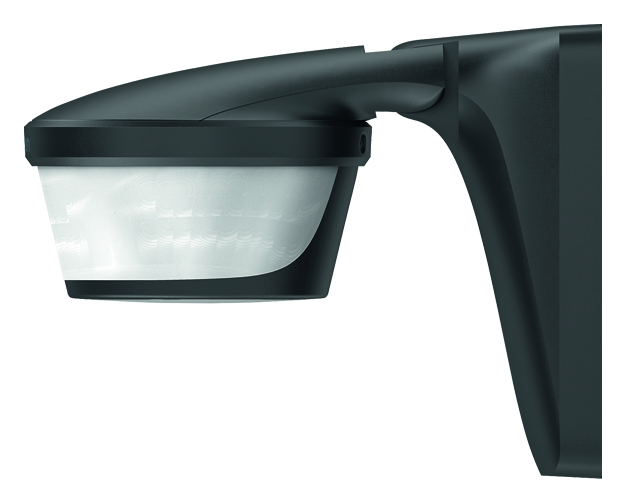
Installing outdoor motion detectors pays off for several reasons. Automatically controlled lighting around the home ensures safe movement in the garden and on the property. At the same time, the risk of break-ins is noticeably reduced: sudden light is a deterrent to potential intruders. And not least, outdoor sensors provide real convenience while reducing energy consumption and operating costs.
Read more

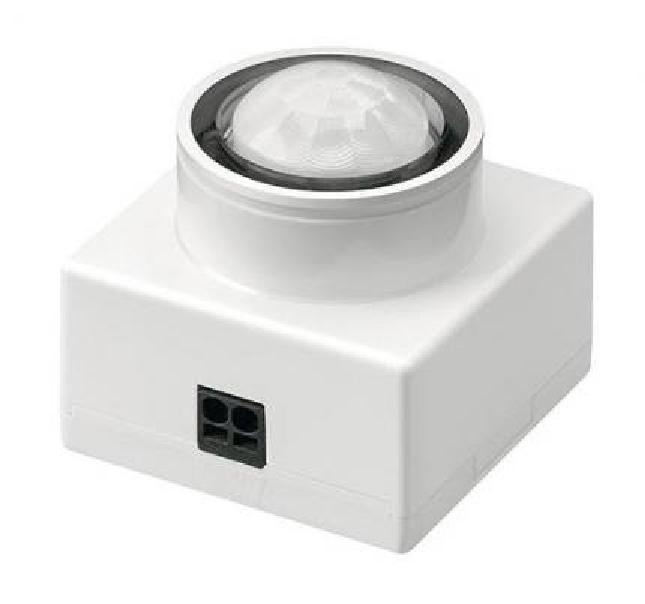
€81.37 net €68.38
Immediately available

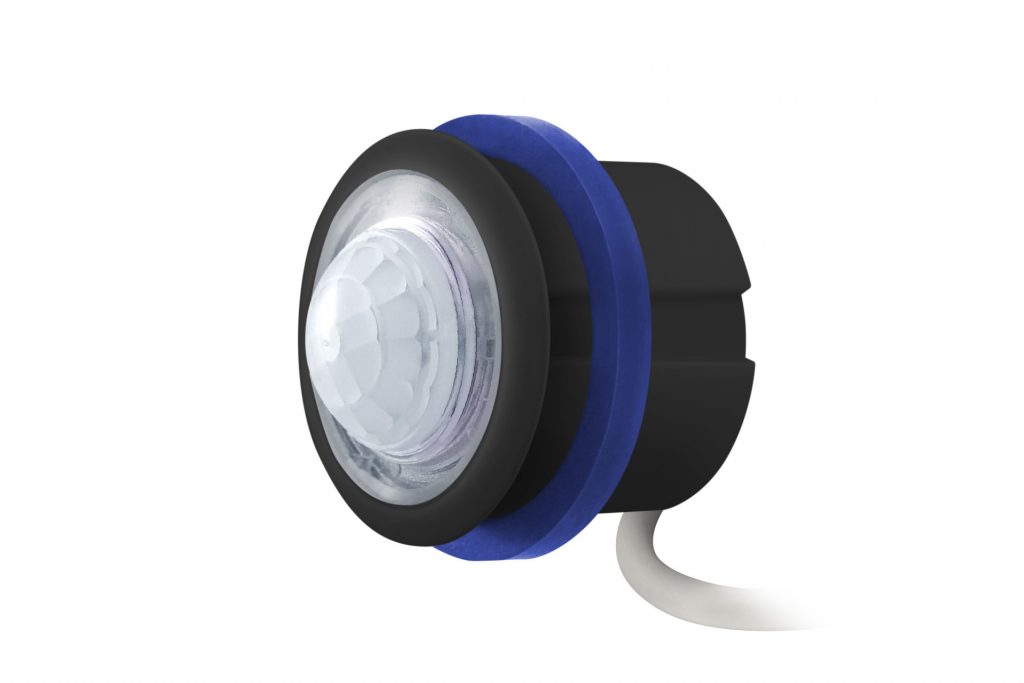
€93.18 net €78.30
Shipping in 5 day(s)

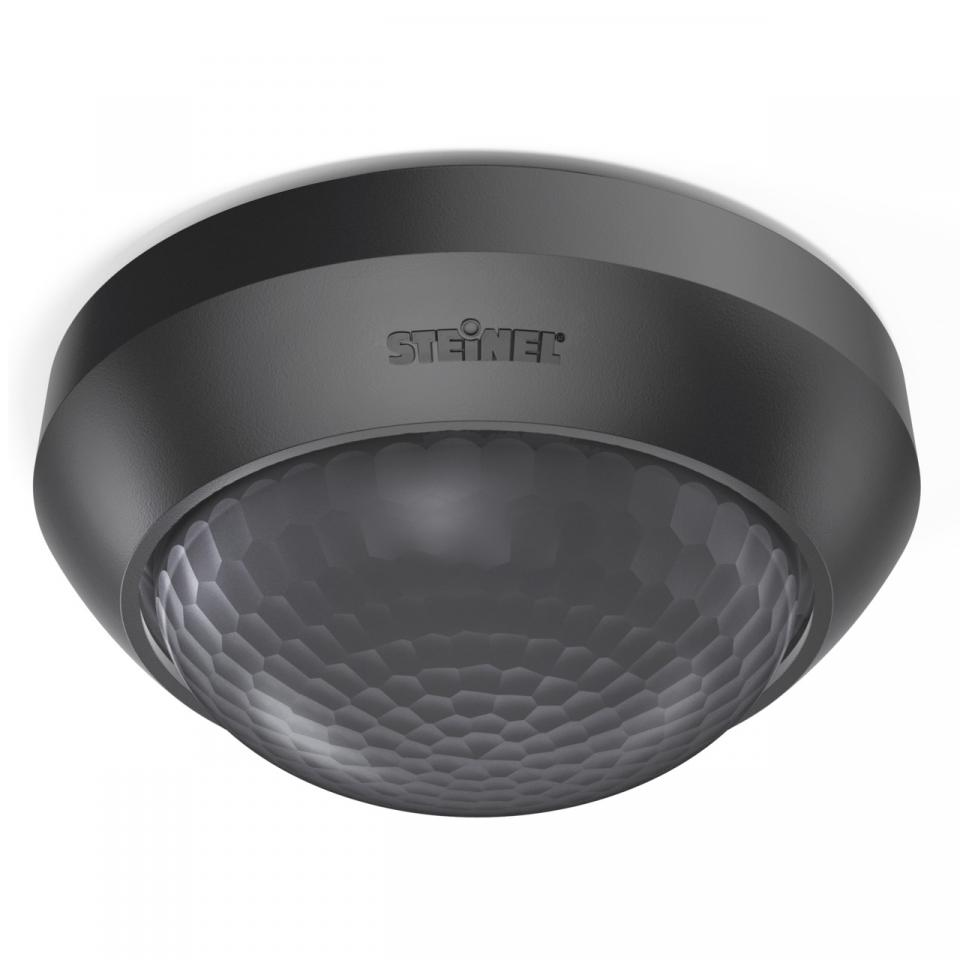
€73.86 net €62.07 €76.43
Immediately available

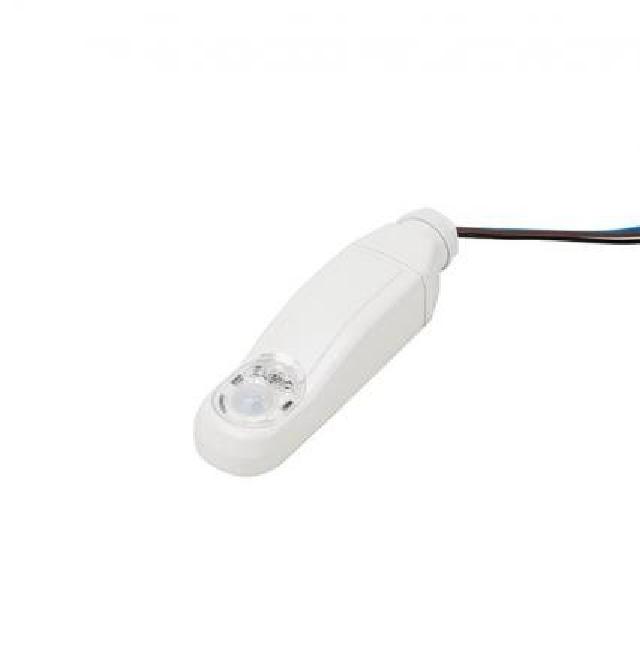
€66.66 net €56.02 €67.18
Immediately available

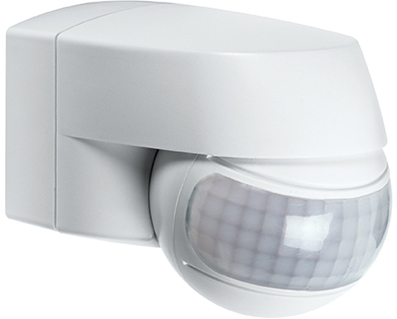
€41.59 net €34.95
Immediately available, shipping in 1-2 business days
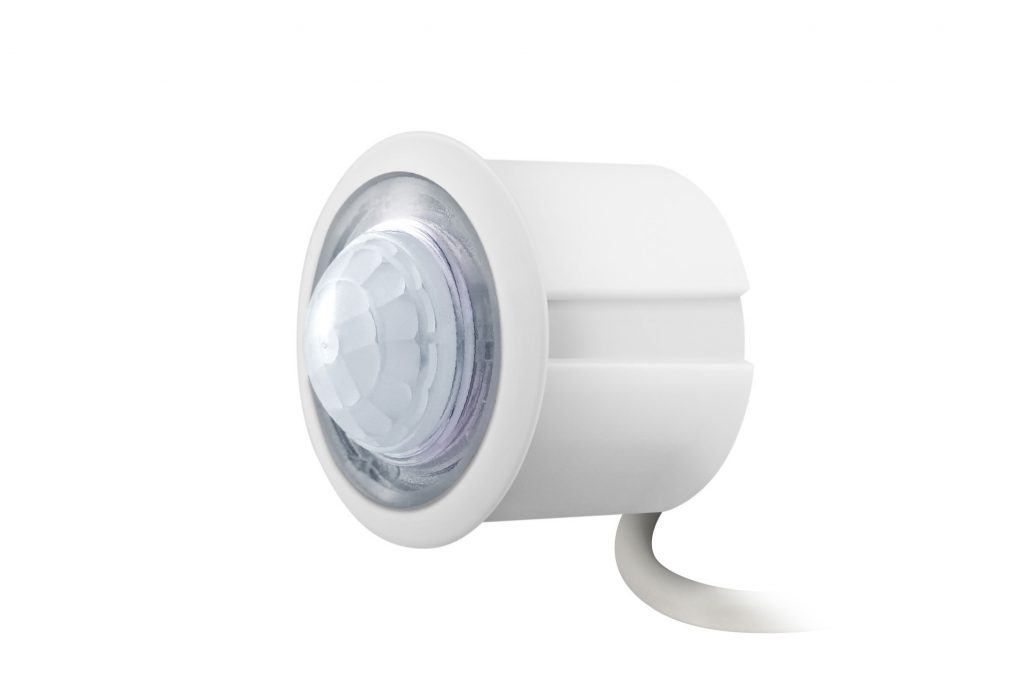
€125.27 net €105.27
Shipping in 5 day(s)
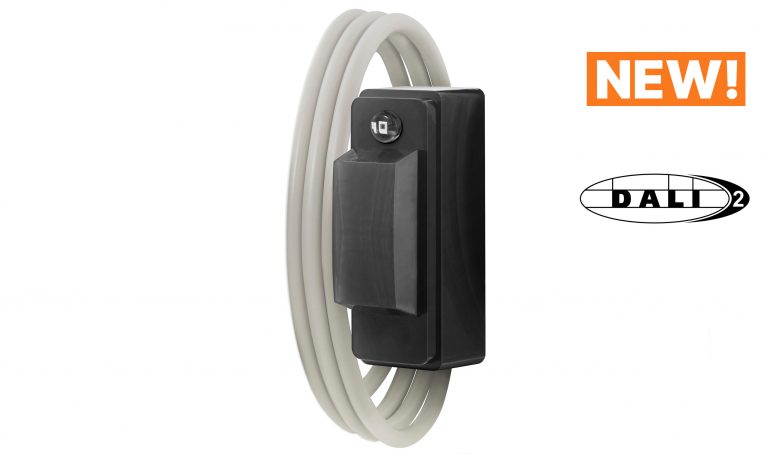
€132.52 net €111.36
Shipping in 5 day(s)
€99.39 net €83.52
Shipping in 5 day(s)
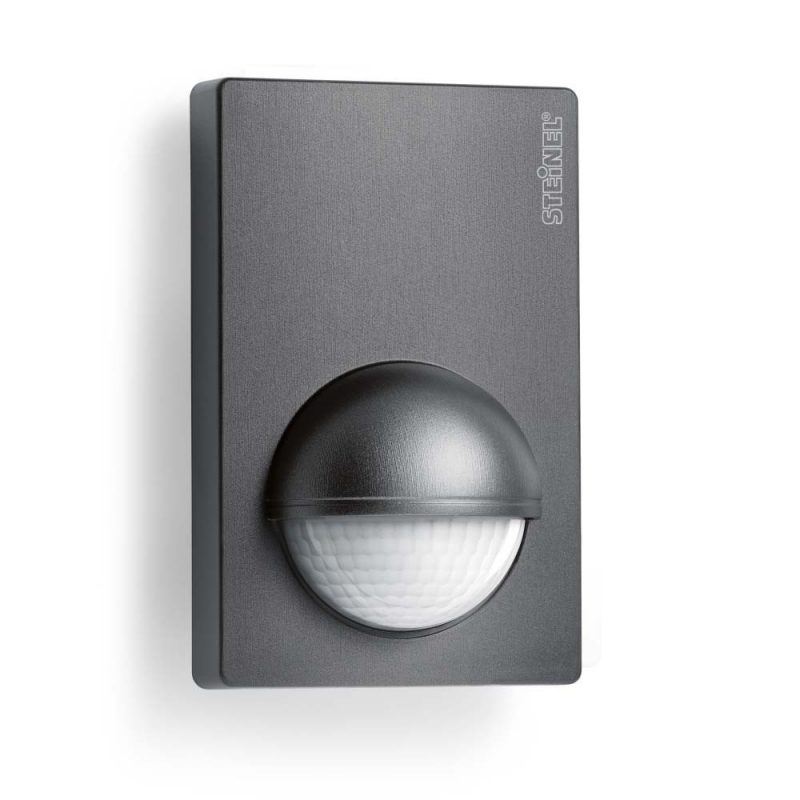
€54.44 net €45.75 €57.66
Immediately available
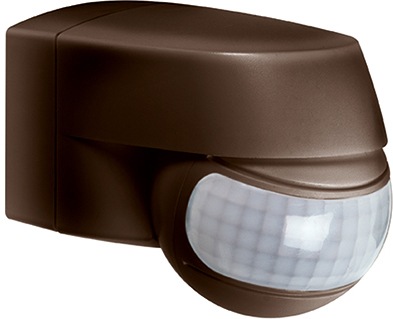
€33.88 net €28.47
Shipping in 14 day(s)

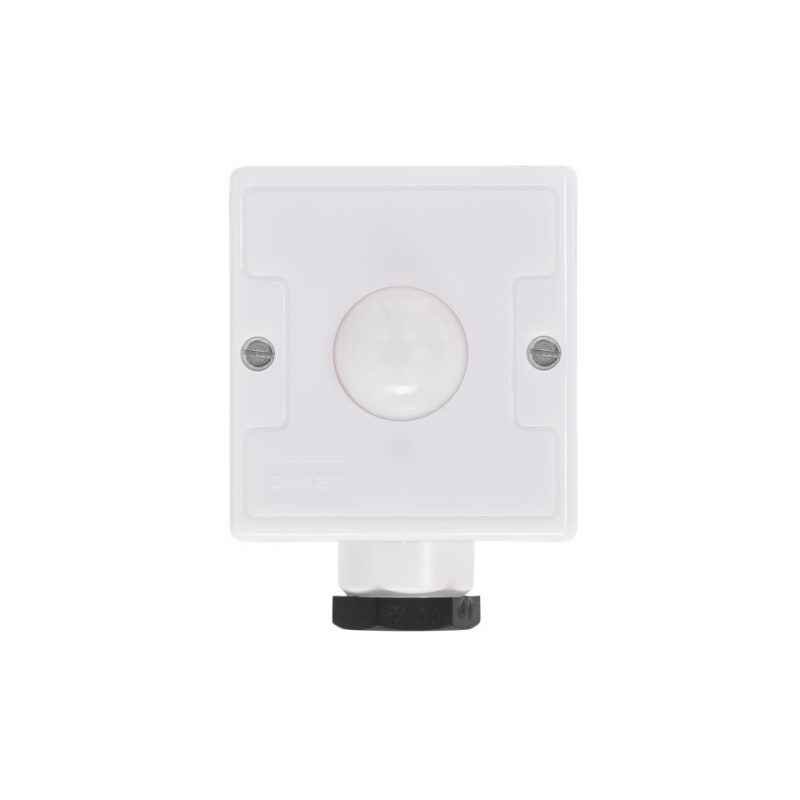
€225.02 net €189.09
Shipping in 14 day(s)

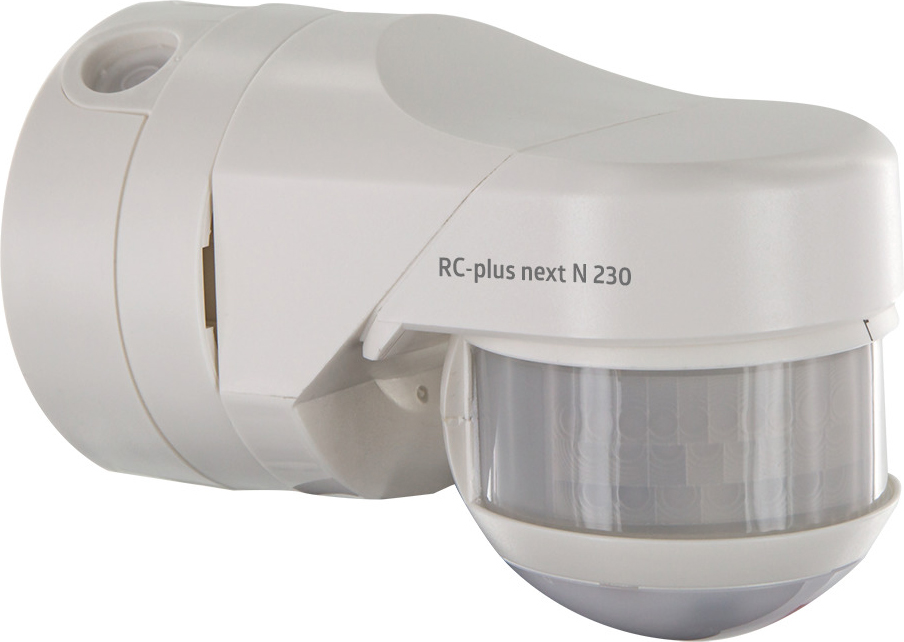
€120.88 net €101.58
Shipping in 14 day(s)


€427.21 net €359.00
Shipping in 3 day(s)
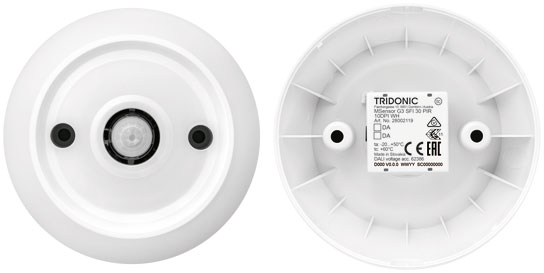
€122.64 net €103.06
Shipping in 5 day(s)

€139.86 net €117.53
Immediately available, shipping in 1-2 business days
- Comprehensive advice & support
- over 10,000 articles in the shop
- Shipping in 24 hours
- thousands of satisfied customers


KATHRIN BRANDT
Employee Purchasing from TroisdorfGreat advice and friendly service. I was helped immediately and competently with any questions. Gladly again.

OMAR NASER
Office Manager from Frankfurt a.M.Goods are well packaged and arrive safely, which is important to me. My mail was answered immediately.

RAINER SEIDEL
Master carpenter from WiesbadenHad to replace a lamp, but the same was no longer available. Great advice, found a suitable replacement and delivered it quickly.
The right technology for outdoor motion detectors
Choosing the right sensor technology is crucial for outdoor applications. HF and ultrasonic motion detectors work with electromagnetic or sound waves and react to changes in the environment. In outdoor use, this can be problematic: their high sensitivity means they can trigger on branches moving in the wind – causing frustrating false alarms.
Better suited are PIR sensors (passive infrared). They detect heat sources – people, animals or vehicles – and can be calibrated so that smaller animals do not cause false triggering.
Wall or ceiling mounting?
Outdoor motion detectors should be positioned to cover as large an area as possible. Wall-mounted sensors typically offer a detection angle of 180°, while ceiling-mounted models cover up to 360°. Sensors designed for corner mounting are a special case: installed at a building corner, they detect movement across two adjacent wall surfaces simultaneously – with a detection angle of up to 240°.
Surface or flush mounting?
Outdoor devices are also available in both surface-mounted and flush-mounted versions. Flush-mounted sensors are visually unobtrusive as they are recessed into the wall – but retrofitting is labour-intensive and costly. They are therefore better suited to new builds or comprehensive renovations.
Surface-mounted sensors are more flexible and cost-effective to install. Many models are battery-powered and require no cable connection, making retrofitting considerably easier.
Luminaires with integrated outdoor motion detector
For many applications, wall lights or spotlights with a built-in motion detector are an ideal solution. These combination products are easy to retrofit and the sensor is integrated into the housing – barely visible. For entrance areas, models are now available that combine sensor, spotlight, intercom and security camera in a single device.
View exterior luminaires with motion detector
The right protection for outdoor motion detectors
Technical devices installed outdoors are exposed to wind, rain and UV radiation and must be adequately protected. The IP protection class should be at least IP44. For exposed locations such as facades, uncovered driveways or carports, IP54 or IP65 is recommended. Adequate weather protection extends the service life of the device and avoids the cost and inconvenience of premature replacement.
What to look for when buying outdoor motion detectors
In addition to the right sensor technology, there are several other criteria to consider: detection range, detection angle, weather protection (IP class minimum IP44), mounting type (surface or flush, wall or ceiling) and configuration options such as hold time, sensitivity and twilight threshold, as well as the expected service life of the device.
Frequently asked questions about outdoor motion detectors
Which technology is best suited for outdoor motion detectors?
PIR sensors (passive infrared) are best suited for outdoor use. They detect heat sources such as people, animals or vehicles and can be calibrated to avoid false triggering from smaller animals. HF and ultrasonic sensors are less recommended outdoors as they can trigger on wind-blown branches. Camera sensors that detect only humans are a good alternative for security-critical areas.
What IP rating does an outdoor motion detector need?
A minimum of IP44 is required. For exposed locations such as facades, uncovered driveways or carports, IP54 or IP65 is recommended. IP65 provides full dust protection and protection against powerful water jets from any direction.
Wall or ceiling mounting – which is better?
Wall-mounted detectors typically offer 180° coverage, ceiling-mounted models up to 360°. Corner-mount sensors cover up to 240° across two adjacent wall surfaces. The best choice depends on the geometry of the outdoor area.
What should I look for when buying an outdoor motion detector?
Key criteria: sensor type (PIR recommended), detection range and angle, IP protection class (minimum IP44), mounting type, and configuration options such as hold time, sensitivity and twilight threshold.