

tilting dowel
Toggle bolts solve what other cavity fixings cannot: secure fastening in areas where the void is too shallow or too restricted for expanding solutions. At WATT24 you will find metal toggle bolts in all common thread sizes for plasterboard, drylining and hollow ceiling applications in professional electrical installation.
Read more


€5.90 net €4.96
Immediately available, shipping in 1-2 business days
€3.75 net €3.15
Immediately available, shipping in 1-2 business days
€5.41 net €4.55
Immediately available, shipping in 1-2 business days
€2.86 net €2.40
Immediately available, shipping in 1-2 business days
€2.86 net €2.40
Immediately available, shipping in 1-2 business days

€60.61 net €50.93
Immediately available, shipping in 1-2 business days
Pack Size: 25 piece (€0.85 / 1 piece)
€21.36 net €17.95
Immediately available, shipping in 1-2 business days
€46.27 net €38.88
Immediately available, shipping in 1-2 business days
Pack Size: 50 piece (€1.03 / 1 piece)
€51.69 net €43.44
Immediately available, shipping in 1-2 business days
Pack Size: 25 piece (€1.38 / 1 piece)
€34.58 net €29.06
Immediately available, shipping in 1-2 business days
€2.52 net €2.12
Immediately available, shipping in 1-2 business days
€40.75 net €34.24
Shipping in 14 day(s)
€2.92 net €2.45
Immediately available, shipping in 1-2 business days
€5.63 net €4.73
Immediately available, shipping in 1-2 business days

€1.62 net €1.36
Immediately available, shipping in 1-2 business days
€32.43 net €27.25
Shipping in 14 day(s)
€49.58 net €41.66
Immediately available, shipping in 1-2 business days
- Comprehensive advice & support
- over 10,000 articles in the shop
- Shipping in 24 hours
- thousands of satisfied customers


KATHRIN BRANDT
Employee Purchasing from TroisdorfGreat advice and friendly service. I was helped immediately and competently with any questions. Gladly again.

OMAR NASER
Office Manager from Frankfurt a.M.Goods are well packaged and arrive safely, which is important to me. My mail was answered immediately.

RAINER SEIDEL
Master carpenter from WiesbadenHad to replace a lamp, but the same was no longer available. Great advice, found a suitable replacement and delivered it quickly.
How does a toggle bolt work?
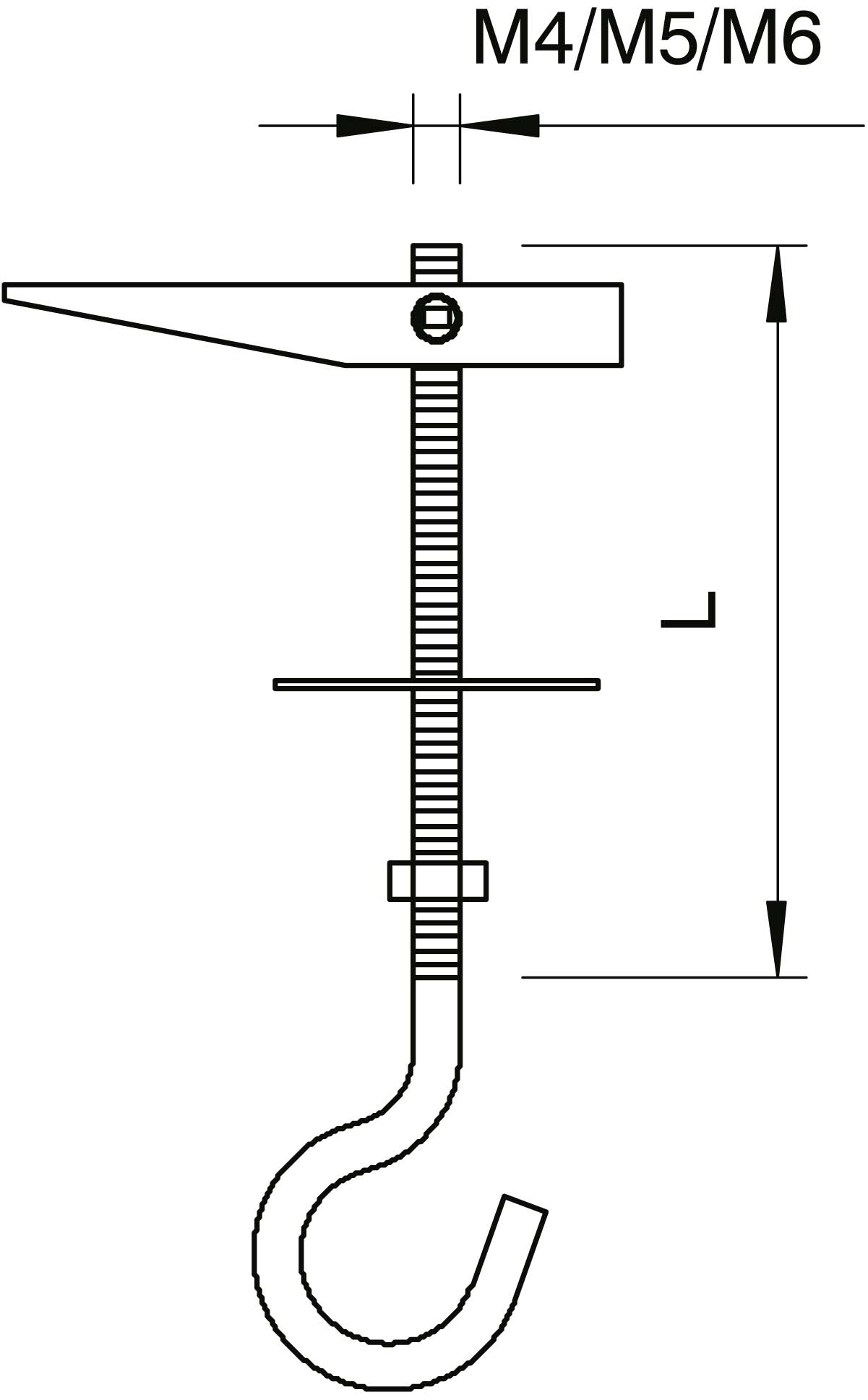
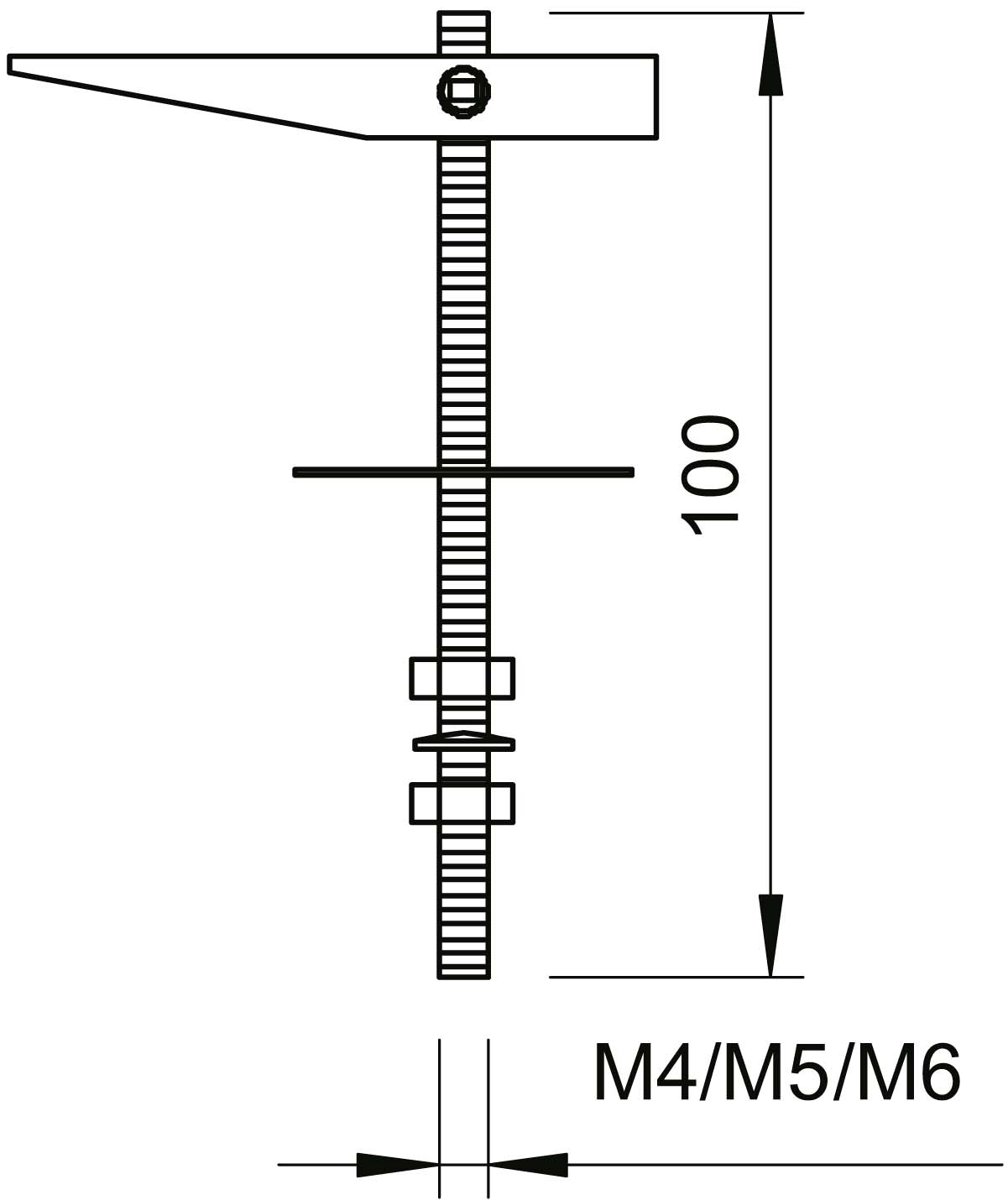
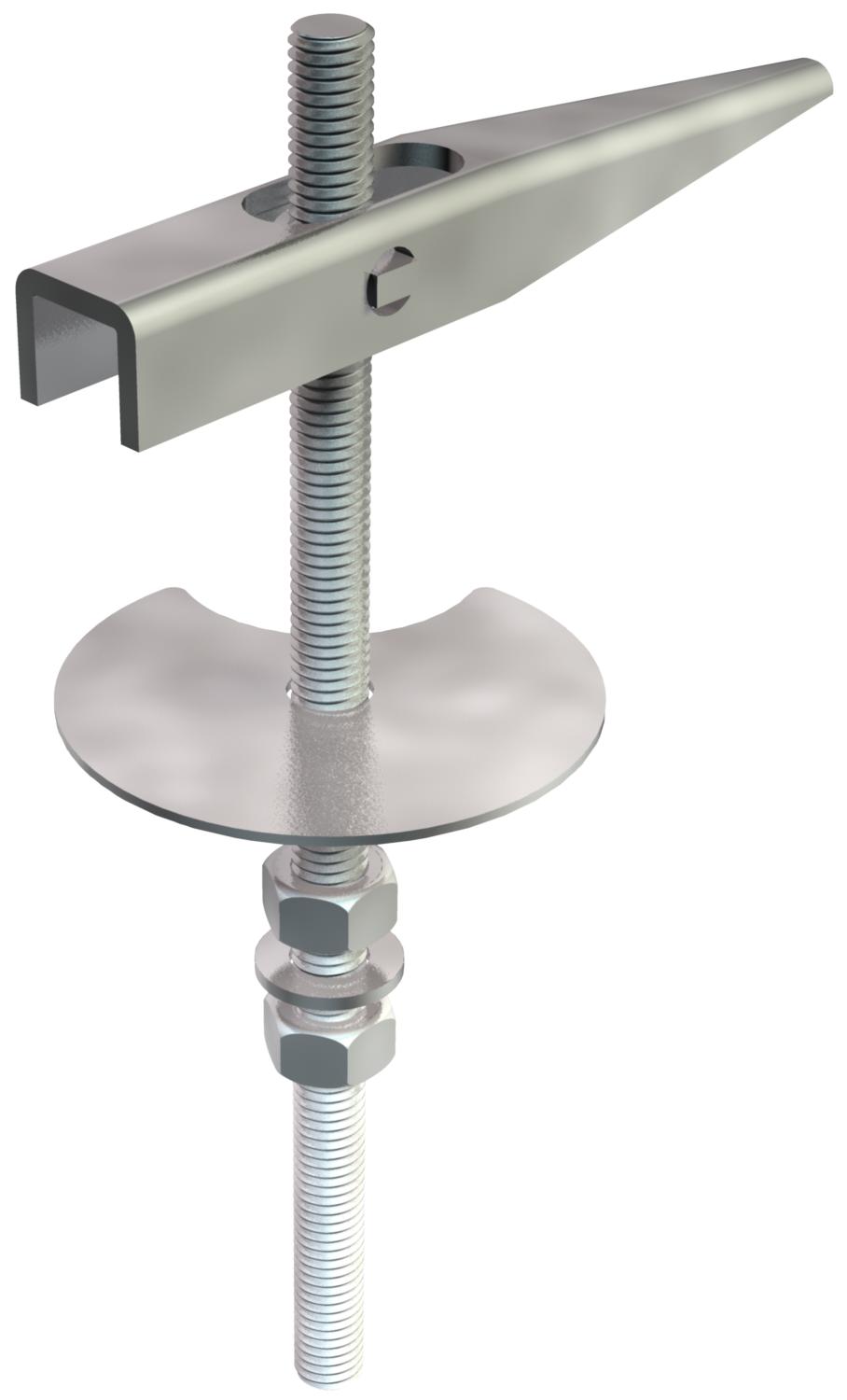
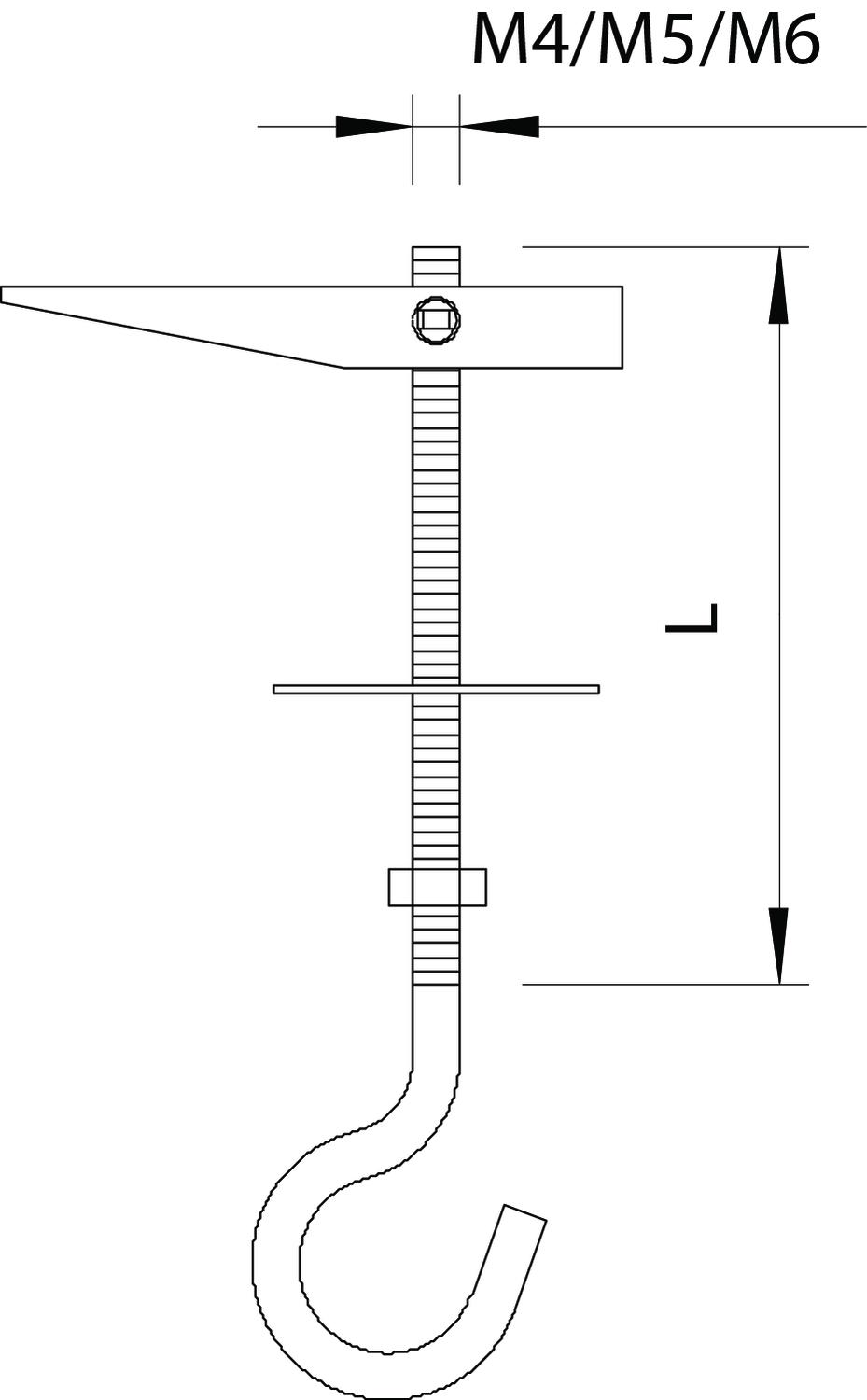
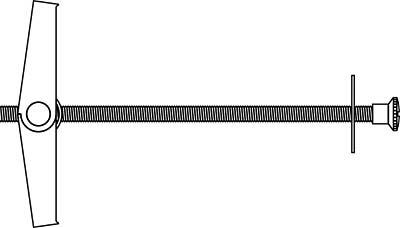
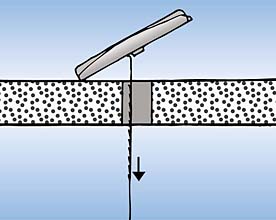
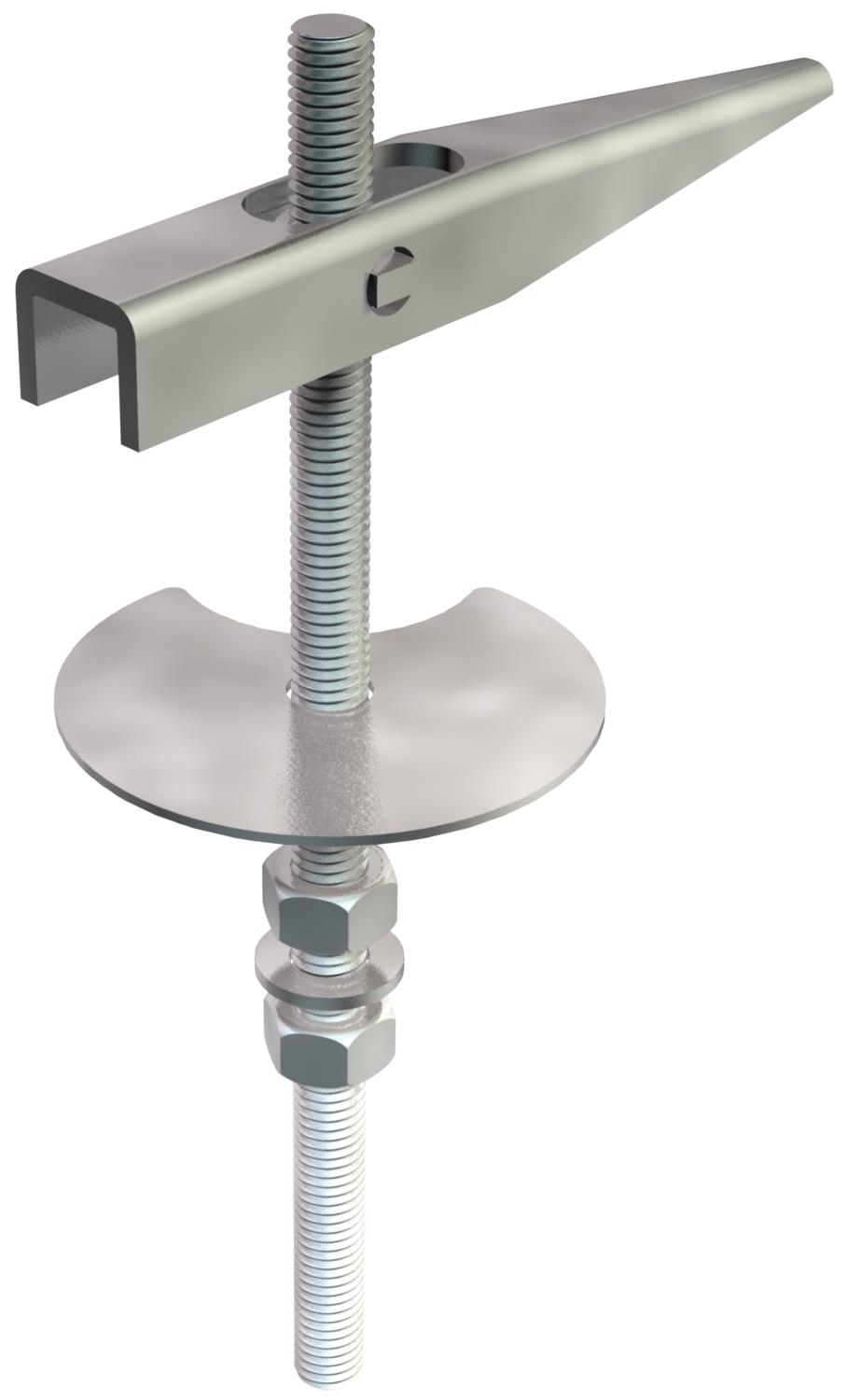
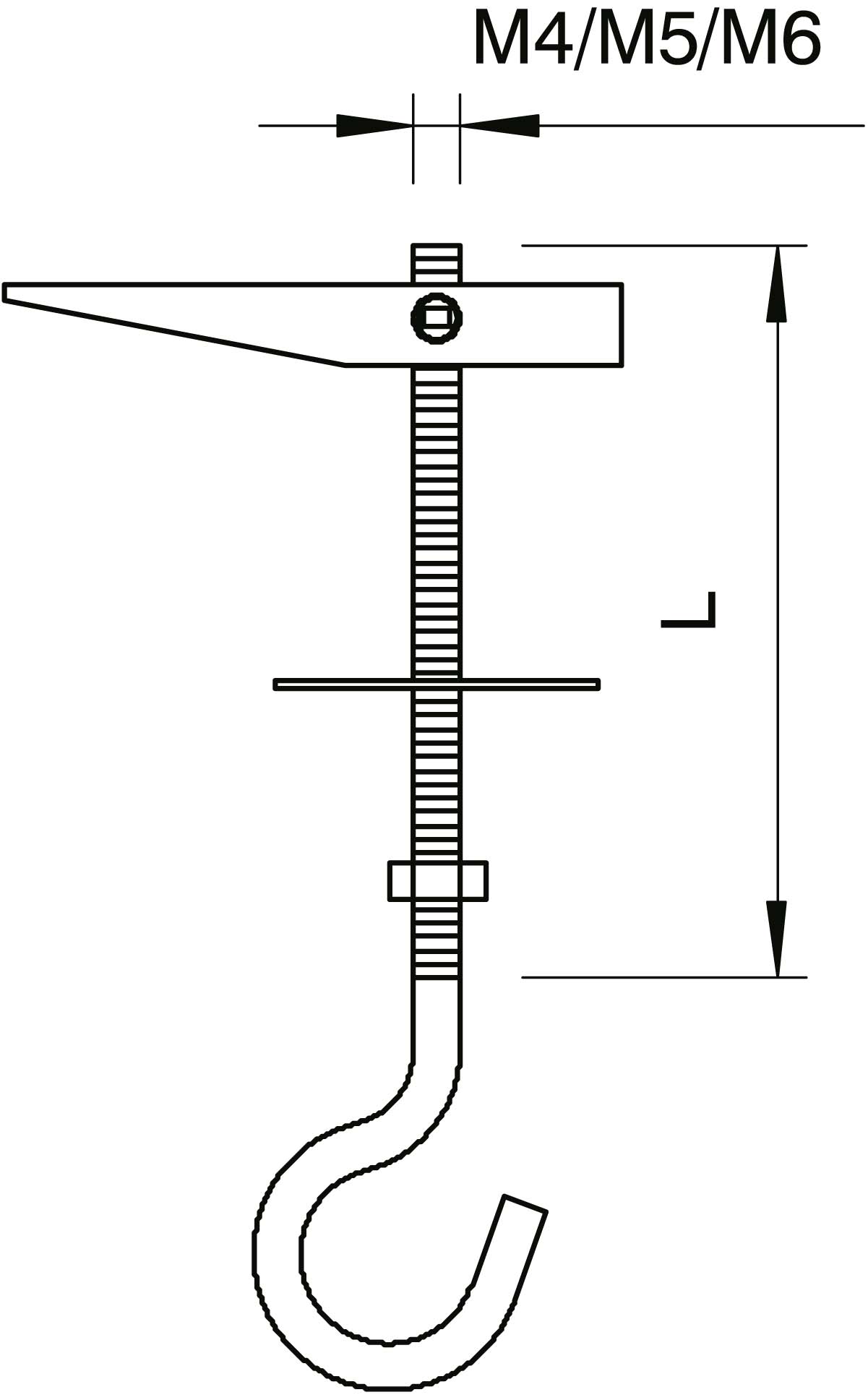
A toggle bolt consists of a threaded rod or bolt with a hinged wing or bracket. In the folded position it passes through a relatively small drilled hole. Once the wing clears the cavity behind the board, it pivots into the perpendicular position by spring force or gravity.
As the nut or screw is tightened, the wing is drawn up against the back face of the board and creates a positive mechanical bearing. Unlike expanding cavity wall fixings, which rely on surface pressure, the toggle bolt works through direct mechanical form-locking — which makes it particularly reliable where cavity space is limited.
Toggle bolt or cavity wall fixing: which type for which situation?
Both types are designed for hollow substrates but have different strengths:
| Characteristic | Toggle bolt | Cavity wall fixing |
|---|---|---|
| Working principle | Folds, positive mechanical lock | Expands, surface pressure |
| Cavity depth | Works even in very shallow cavities | Needs sufficient room to expand |
| Drill hole size | Relatively small hole sufficient | Hole matches fixing diameter |
| Installation speed | Slightly more involved | Quick to install |
| Typical application | Restricted cavity, hollow brick, limited access | Plasterboard, drylining, standard work |
In many standard plasterboard situations either type is suitable. The full range of cavity wall fixings is available in the corresponding section.
Toggle bolt load capacity by size
As a guide for common metal toggle bolt sizes:
| Size | Typical load capacity (wall) | Typical applications |
|---|---|---|
| Small (M4/M5) | up to approx. 20 kg | Cable clips, lightweight luminaires, pictures |
| Medium (M6) | up to approx. 40 kg | Shelf brackets, device boxes, cable trunking |
| Large (M8) | up to approx. 60 kg | Heavier luminaires, brackets, heavy-duty applications |
| Heavy duty (M10) | 60 kg and above | Heavy-duty fixing in cavities, industrial mounting |
Toggle bolts with hook
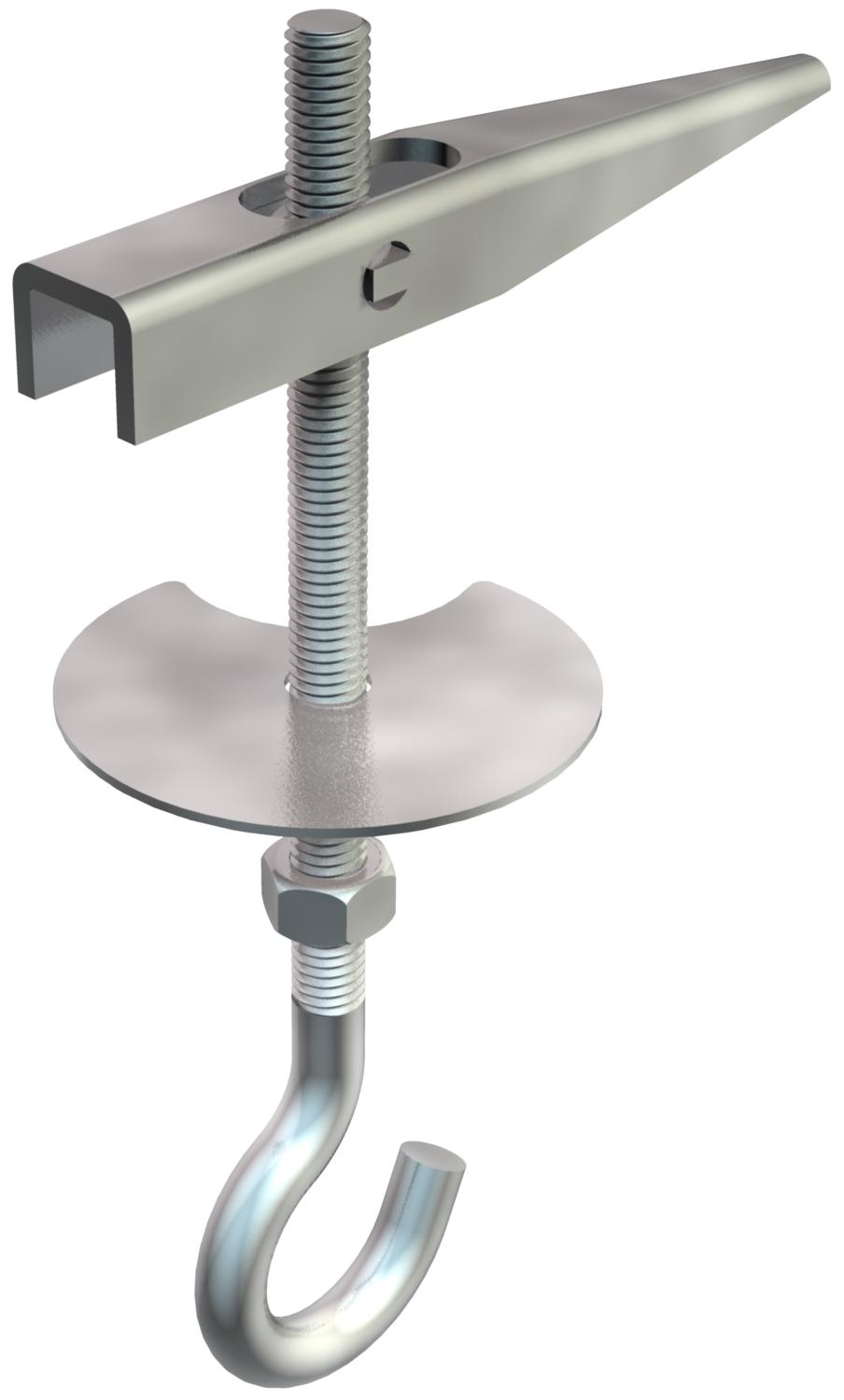
A useful variant is the toggle bolt with hook: instead of a threaded rod requiring a separate nut or screw, the hook is integrated directly into the toggle. This saves an assembly step and is particularly practical for hanging luminaires, pendant lights or cable trays from hollow ceilings. The hook carries the load directly without any additional fasteners.
Buy toggle bolts at WATT24
Our range covers metal toggle bolts in all common thread sizes from M4 to M10, with many types available from stock for immediate dispatch. This includes Fischer toggle bolts, a trusted choice on professional installation sites. Not sure which size or type suits your cavity and load? Our technical team is happy to advise.
For fixings for other substrates, see the full wall plugs and anchors overview.