

PIR Sensors
With PIR motion detectors, you can control your lighting automatically, efficiently and on demand. These sensors detect movement based on infrared energy and are ideal for indoor and outdoor use. Whether in corridors, stairwells, offices or car parks – PIR sensors deliver more comfort, safety and energy savings. Thanks to individually adjustable sensitivity levels, various detection ranges and an optimised field of view, the sensor can be precisely tailored to your requirements.
Read more

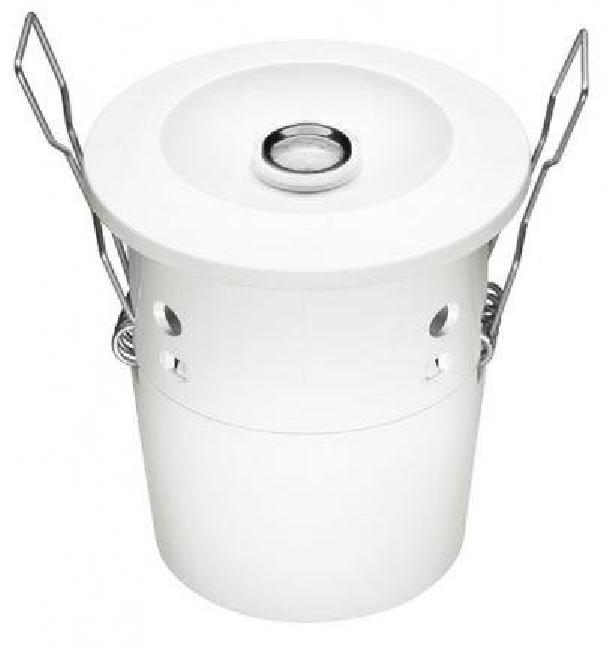
€80.13 net €67.34
Immediately available
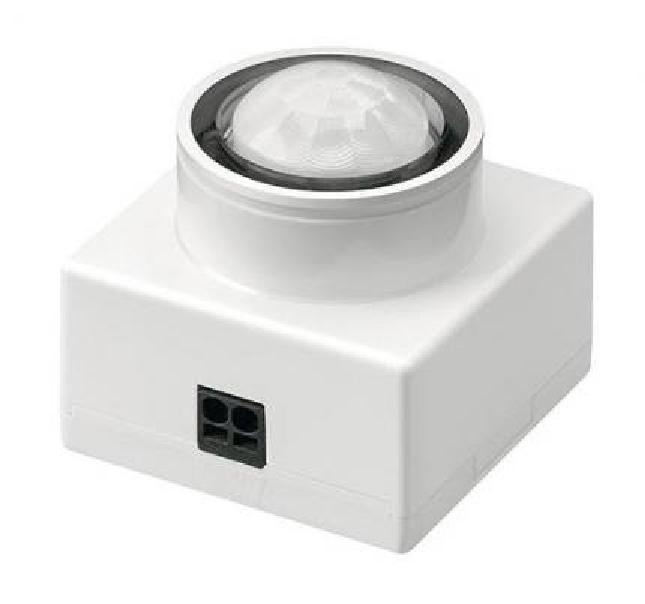
€76.04 net €63.90
Immediately available

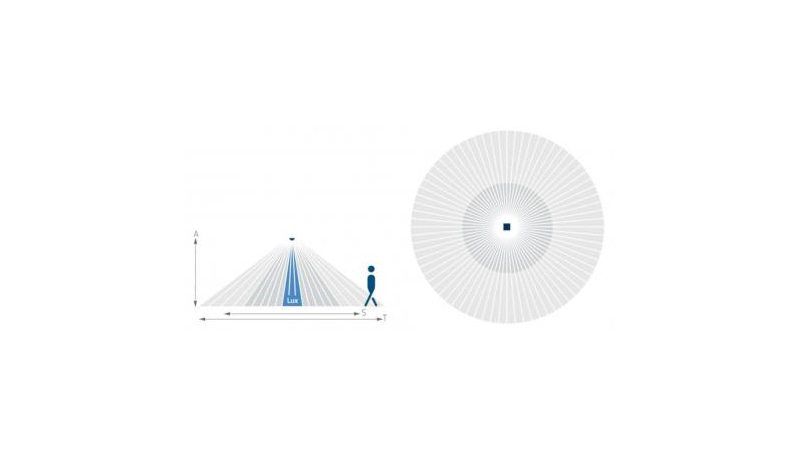
€83.34 net €70.03
Immediately available, shipping in 1-2 business days

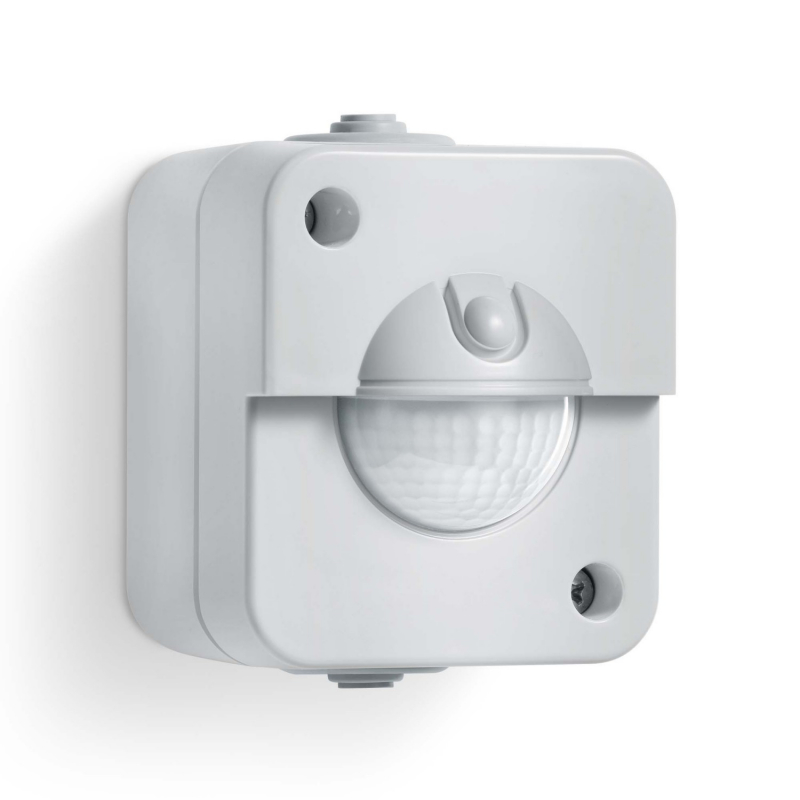
€77.77 net €65.35 €82.36
Immediately available

€70.47 net €59.22
Immediately available
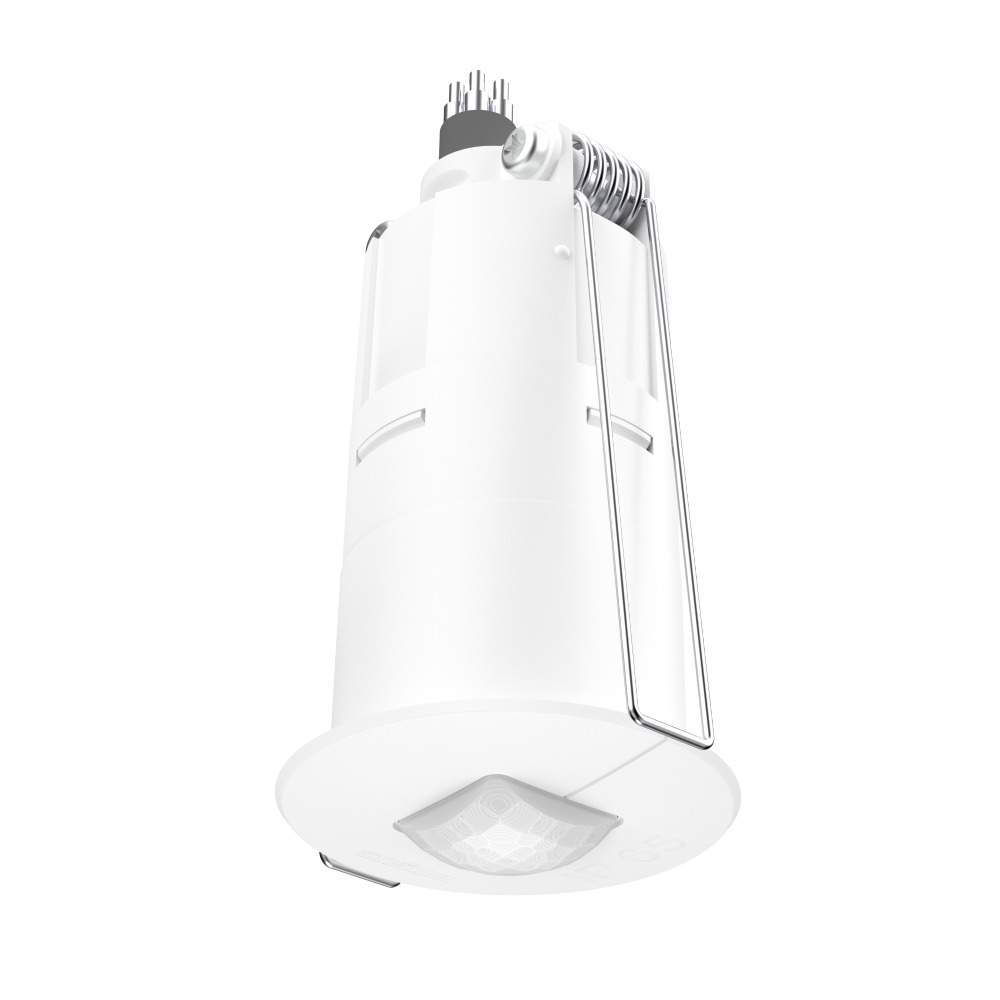
€106.26 net €89.29
Immediately available, shipping in 1-2 business days

€141.22 net €118.67
Shipping in 5 day(s)
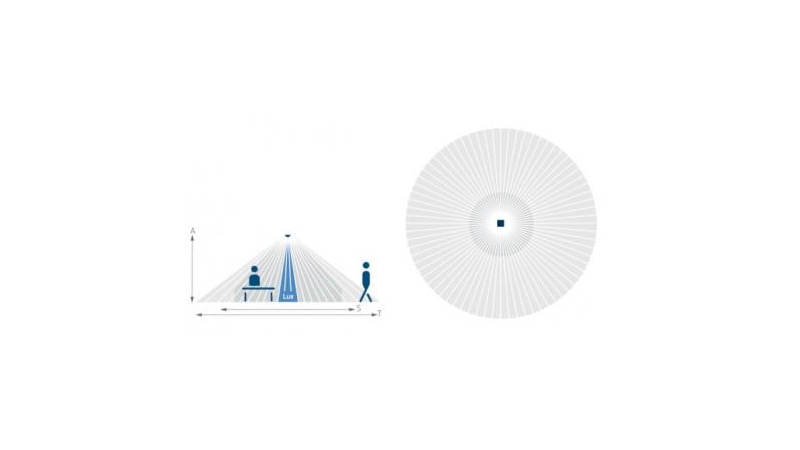
€135.34 net €113.73
Immediately available, shipping in 1-2 business days
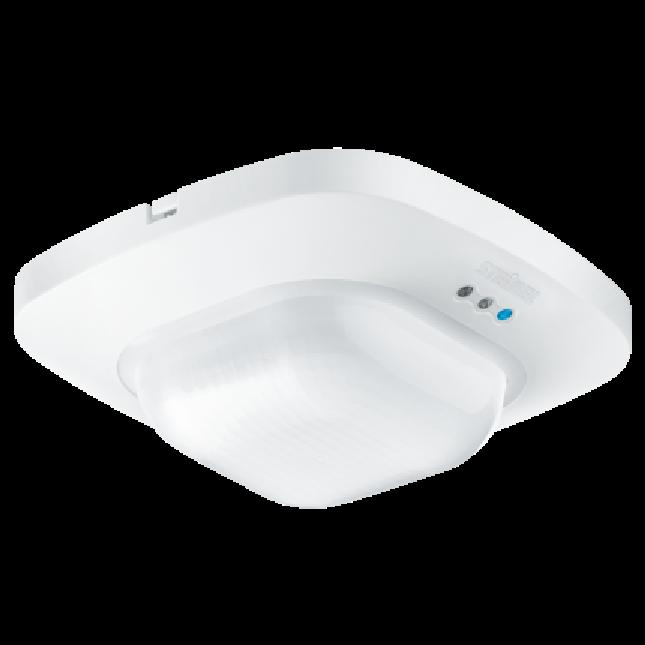
€98.77 net €83.00 €146.89
Immediately available

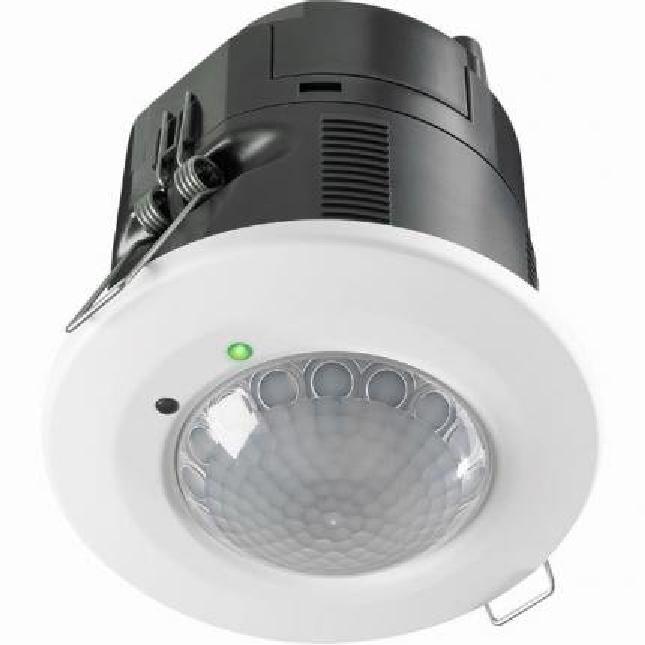
€35.11 net €29.50
Immediately available
€151.21 net €127.07
Immediately available, shipping in 1-2 business days


€119.06 net €100.05
Shipping in 5 day(s)

€89.04 net €74.82
Shipping in 5 day(s)
€106.26 net €89.29
Shipping in 14 day(s)
€146.76 net €123.33
Immediately available, shipping in 1-2 business days
€197.68 net €166.12
Immediately available, shipping in 1-2 business days
€83.92 net €70.52
Immediately available, shipping in 1-2 business days
€186.10 net €156.39
Immediately available, shipping in 1-2 business days

€97.32 net €81.78
Shipping in 5 day(s)

€141.84 net €119.19
Shipping in 5 day(s)
€73.41 net €61.69
Immediately available, shipping in 1-2 business days
€93.18 net €78.30
Shipping in 5 day(s)
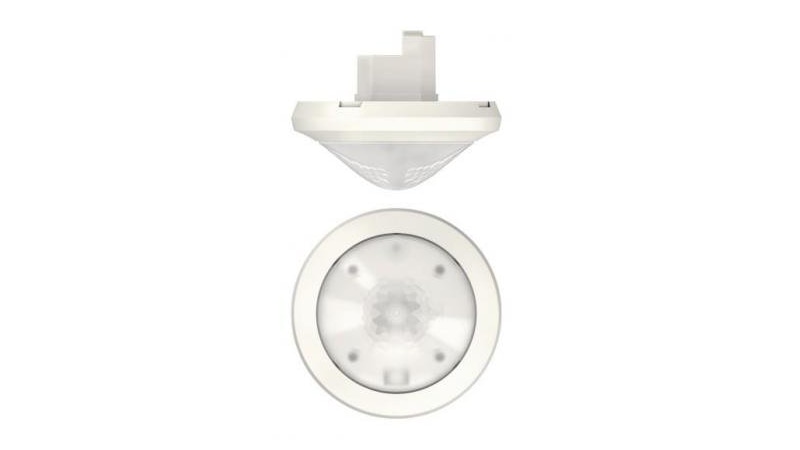
€176.39 net €148.23
Immediately available, shipping in 1-2 business days
€116.99 net €98.31
Shipping in 5 day(s)
- Comprehensive advice & support
- over 10,000 articles in the shop
- Shipping in 24 hours
- thousands of satisfied customers


KATHRIN BRANDT
Employee Purchasing from TroisdorfGreat advice and friendly service. I was helped immediately and competently with any questions. Gladly again.

OMAR NASER
Office Manager from Frankfurt a.M.Goods are well packaged and arrive safely, which is important to me. My mail was answered immediately.

RAINER SEIDEL
Master carpenter from WiesbadenHad to replace a lamp, but the same was no longer available. Great advice, found a suitable replacement and delivered it quickly.
How PIR Sensors Work
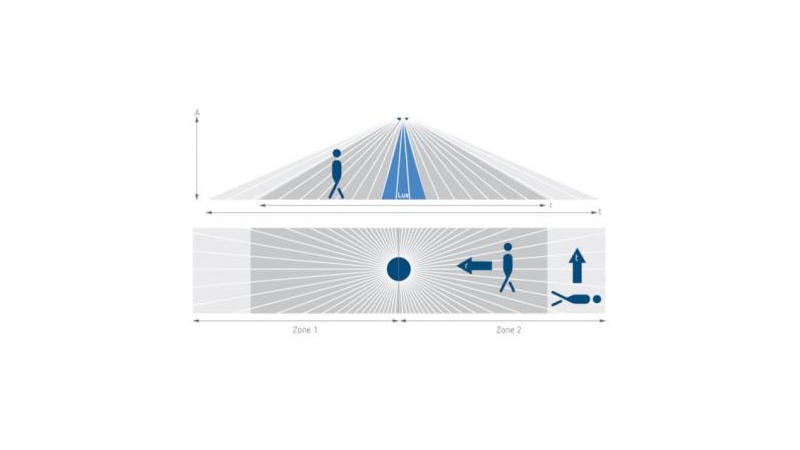
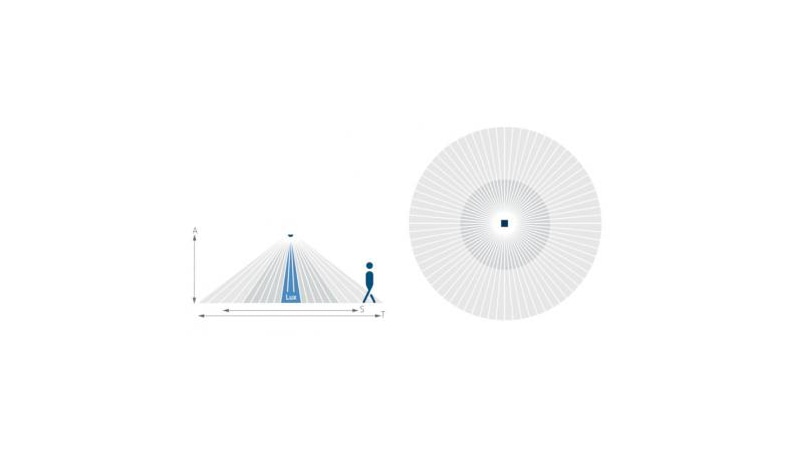
PIR sensors (Passive Infrared sensors) use infrared technology and respond to temperature changes in their surroundings. Every object that emits heat – including people, animals and vehicles – radiates infrared energy. The PIR sensor detects this radiation and registers when a heat source moves.
This happens in several steps:
- Detection of infrared radiation: The sensor element registers the infrared heat in the surrounding environment.
- Motion analysis: As soon as a heat source changes position, the sensor detects a difference in the infrared image.
- Activation of light or another action: The sensor triggers the switching action – the light turns on, or alternatively a camera is activated or an alarm is triggered.
- Automatic switch-off: Once no further movement is detected, the light switches off automatically after the set delay time.
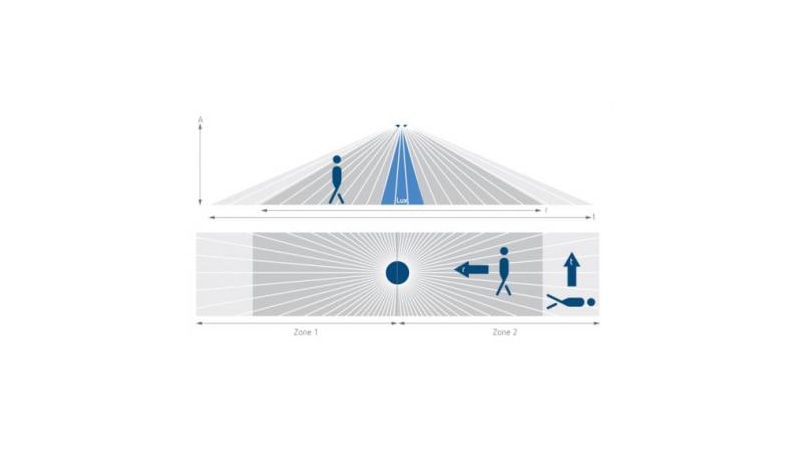
Motion detection is achieved through special lenses that divide the infrared image of the surroundings into different viewing angles. High-quality PIR sensors enable precise detection through adjustable sensitivity levels and various mounting heights. Some models support smart home protocols such as ZigBee to communicate with other devices.
One key advantage of this technology: PIR sensors work passively – they emit no radiation themselves, but simply respond to existing heat sources. This makes them particularly energy-efficient and reliable. Many models can also be configured to respond only to larger heat sources, reducing false triggering caused by small animals.
Applications for PIR Sensors
The range of applications for this type of motion detector is wide:
- Residential buildings: Corridors, stairwells, cellars and entrance areas benefit from automatic lighting.
- Offices and commercial premises: PIR sensors optimise light control in meeting rooms, sanitary areas and corridors.
- Industry and warehouses: Large areas are efficiently illuminated without unnecessary energy consumption – compatible with DALI lighting control for zone-based management.
- Car parks and underground garages: Increased safety and better orientation through intelligent, demand-based lighting control.
- Public buildings and schools: PIR sensors help save energy by activating lights only when needed.
- Security areas: PIR sensors can act as triggers for alarms in surveillance systems, providing early warning of intruders.
Installation Notes
Infrared sensors respond to the thermal radiation of objects in their immediate surroundings and cannot detect heat sources behind glass or thermally insulating materials. Detection only works reliably when the field of view is free of obstructions. Mounting height also plays a decisive role in motion detection and the optimal detection range. For outdoor use, an adequate IP protection class is required – at least IP44, and IP54 for exposed locations.
If detection through walls or glass is needed, or if irregularly shaped rooms need to be covered, HF sensors (high frequency) are a suitable alternative as they work without a direct line of sight. More information is available under indoor motion detectors.
Adjustable Sensitivity for Precise Detection
Most PIR sensors offer various sensitivity levels, allowing you to fine-tune the detection sensitivity to your specific needs:
- High sensitivity: Responds to even small movements – ideal for indoor spaces with short distances to the sensor.
- Medium sensitivity: A balanced setting for offices, corridors and general lighting solutions.
- Low sensitivity: Prevents false triggering by small animals or distant heat sources – ideal for outdoor use.
By setting the sensitivity correctly, you can ensure that lights only switch on when truly necessary. Detection also varies depending on the detection range, field of view and sensor wavelength.
The Advantages of PIR Sensors
- Save energy: Lights switch on only when movement is detected.
- Increase comfort: No manual switching required.
- Improve safety: Dark areas are illuminated automatically.
- Flexible use: Suitable for indoor and outdoor applications.
- Smart functions: Integration with ZigBee, cameras or alarm systems possible.
- Individually adjustable: Various sensitivity levels for optimum use.
Which PIR Motion Sensor Is Right for You?
Depending on the application, there are various models with different detection angles, ranges and adjustment options. Our range includes high-quality PIR sensors for every application – from standard models to smart variants with adjustable light sensitivity, detection sensitivity and delay time. Power supply options also vary: alongside wired sensors, battery-powered versions are available for flexible installation.
Frequently Asked Questions About PIR Sensors
What is a PIR sensor and how does it work?
PIR stands for Passive Infrared. The sensor detects movement based on temperature changes: when a heat source – such as a person – moves through the detection zone, the photodiode registers a difference in the infrared image and triggers the switching action. Because the sensor emits no radiation of its own, it operates in a particularly energy-efficient way.
Where are PIR sensors used?
PIR sensors are suitable for corridors, stairwells, offices, toilet areas, warehouses, car parks and underground garages – for indoor and outdoor use. The appropriate IP protection class for the specific location is important.
Can PIR sensors detect through glass or walls?
No. PIR sensors respond to infrared radiation, which is blocked by glass and thermally insulating materials. The field of view must be free of obstructions for reliable detection. If detection through walls or glass is needed, HF sensors (high frequency) should be considered instead.
What sensitivity levels do PIR sensors offer?
Most models offer three levels: high sensitivity for indoor spaces with short distances to the sensor, medium sensitivity for offices and corridors, and low sensitivity for outdoor areas to avoid false triggering caused by small animals.