

connection terminals
Connecting conductors directly – fast and tool-free
Splicing connectors are compact field connectors for the direct connection of two or more conductors – without a DIN rail, without a control cabinet. Depending on the connection type, they are also known as push-in connectors or lever connectors (both types of plug-in terminal) or as choc blocks (screw connection). What they all have in common: all poles within a single connector are internally linked conductively – ideal for junction boxes, luminaire connections, and field wiring. At WATT24 you'll find splicing connectors in all common pole counts and cross-sections.


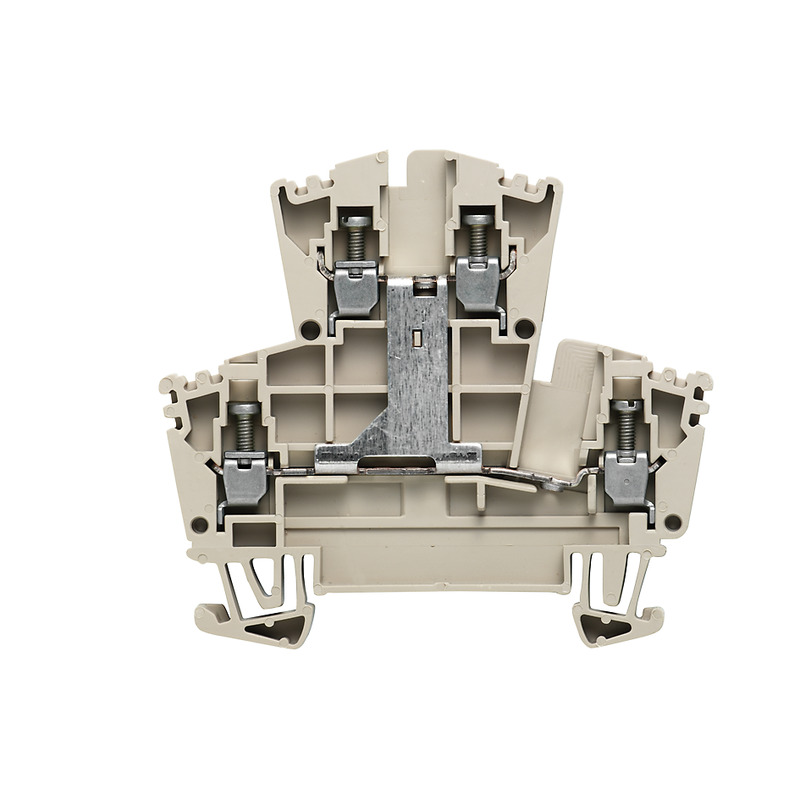
€3.55 net €2.98
Immediately available, shipping in 1-2 business days



€0.92 net €0.77
Shipping in 7 day(s)


€0.86 net €0.72
Immediately available, shipping in 1-2 business days

€1.20 net €1.01
Immediately available, shipping in 1-2 business days


€0.61 net €0.51
Immediately available, shipping in 1-2 business days
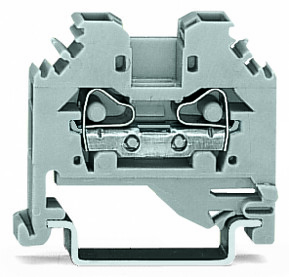
€0.82 net €0.69
Immediately available, shipping in 1-2 business days
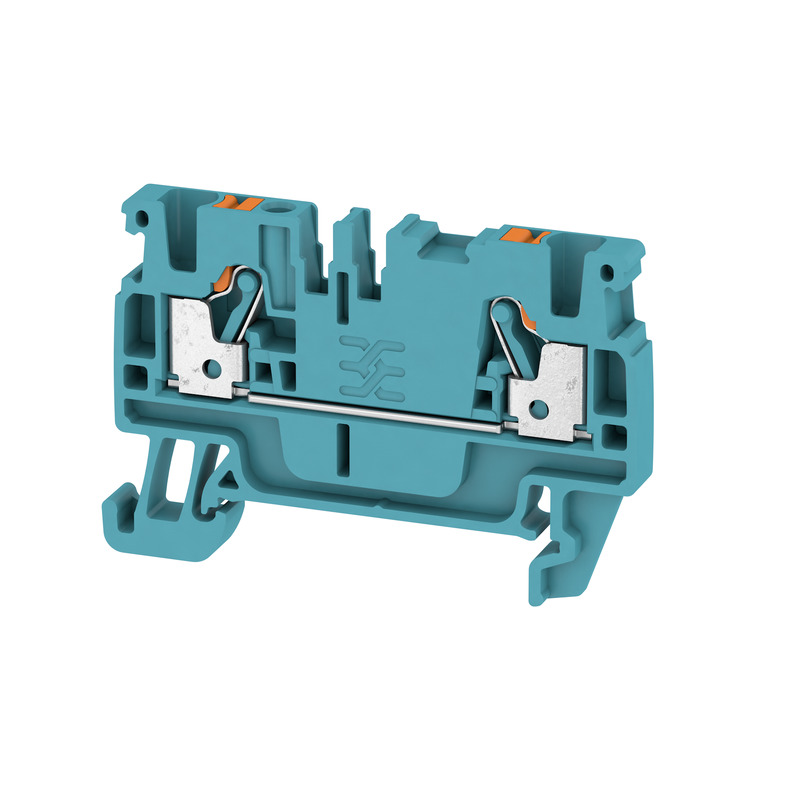
€0.46 net €0.39
Shipping in 3 day(s)

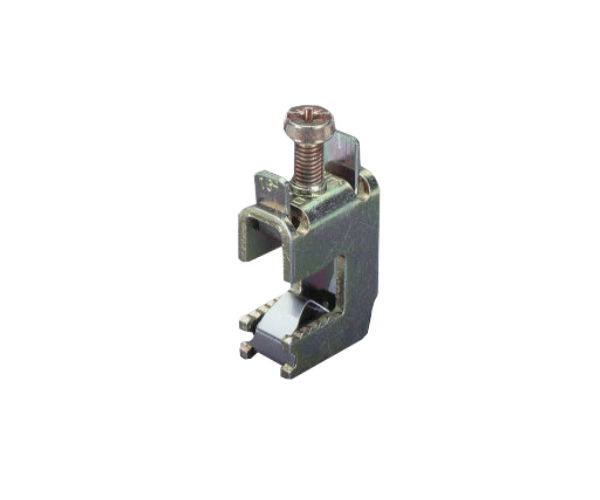
€1.09 net €0.92
Immediately available, shipping in 1-2 business days
€0.89 net €0.75
Immediately available, shipping in 1-2 business days

€1.15 net €0.97
Immediately available, shipping in 1-2 business days

€1.09 net €0.92
Immediately available, shipping in 1-2 business days

€1.55 net €1.30
Immediately available, shipping in 1-2 business days

€1.09 net €0.92
Immediately available, shipping in 1-2 business days

€1.37 net €1.15
Immediately available, shipping in 1-2 business days

€0.96 net €0.81
Immediately available, shipping in 1-2 business days
€0.96 net €0.81
Immediately available, shipping in 1-2 business days

€0.99 net €0.83
Immediately available, shipping in 1-2 business days
€5.56 net €4.67
Immediately available, shipping in 1-2 business days

€2.00 net €1.68
Immediately available, shipping in 1-2 business days
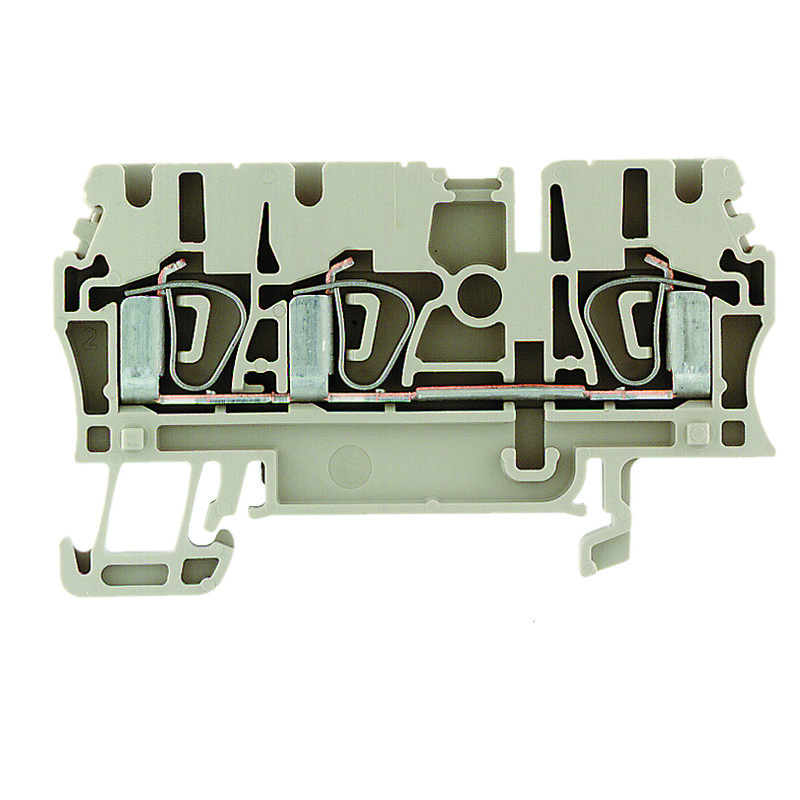
€0.86 net €0.72
Immediately available, shipping in 1-2 business days

€0.61 net €0.51
Immediately available, shipping in 1-2 business days


€1.42 net €1.19
Immediately available, shipping in 1-2 business days
- Comprehensive advice & support
- over 10,000 articles in the shop
- Shipping in 24 hours
- thousands of satisfied customers


KATHRIN BRANDT
Employee Purchasing from TroisdorfGreat advice and friendly service. I was helped immediately and competently with any questions. Gladly again.

OMAR NASER
Office Manager from Frankfurt a.M.Goods are well packaged and arrive safely, which is important to me. My mail was answered immediately.

RAINER SEIDEL
Master carpenter from WiesbadenHad to replace a lamp, but the same was no longer available. Great advice, found a suitable replacement and delivered it quickly.
What is a splicing connector?
A splicing connector is a compact field connector for the direct connection of conductors – without a DIN rail and without additional fixings. All connections within a single unit are internally linked conductively: current flows from every connected conductor to every other. This is what fundamentally distinguishes splicing connectors from rail-mounted terminal blocks, where current flows only from input to output.
Splicing connectors are used in junction boxes, luminaires, devices, and wherever conductors in the field – outside the control cabinet – need to be connected safely and releasably. Modern versions with lever mechanism accept all conductor types and enable tool-free, repeatedly releasable connections.
Splicing connectors at a glance
| Type | Features | Typical application |
|---|---|---|
| Lever splicing connector | All conductor types, tool-free release, reusable | Junction boxes, luminaire connections, field wiring |
| Screw-type splicing connector | Proven, high clamping force, tool-required | Classic junction box connections, repairs |
| 2-pole | Connects 2 conductors | Simple feed-through connections, cable extensions |
| 3- to 8-pole | Connects 3–8 conductors internally | Branch connections, multiple loads from one circuit |
Selecting the right splicing connector
Three criteria determine the right splicing connector:
- Pole count: How many conductors need to be joined in one connector – 2-pole for simple feed-through connections, 3- to 8-pole for branching to multiple loads
- Conductor cross-section: The connector must be rated for the cross-section of all conductors being connected – typically 0.5 mm² to 6 mm² for installation cables
- Connection type: Lever mechanism for tool-free, repeatedly releasable connections; screw connection for maximum clamping force where conductor changes are infrequent
Applications for splicing connectors
- Junction boxes: Connecting and branching installation cables in flush-mounted and surface-mounted installations
- Luminaire connections: Connecting the supply cable to the luminaire's connection cables directly inside the luminaire or box
- Field wiring: Wherever conductors outside the control cabinet need to be connected safely
- Repairs and cable extensions: Fast, releasable connections without soldering or heat-shrink tubing
Frequently asked questions about splicing connectors
Splicing connectors are compact field connectors without a DIN rail – they connect conductors directly inside junction boxes, luminaires, or field wiring. Rail-mounted terminal blocks are mounted on the 35 mm DIN rail inside control cabinets and are designed for professional control cabinet assembly per IEC 60947-7-1. Both connect conductors, but for fundamentally different installation situations.
Depending on the version, splicing connectors connect 2 to 8 conductors in a single unit. 2-, 3-, and 5-pole versions are most common. All connections within a single connector are internally linked conductively.
Modern splicing connectors with lever mechanism accept all conductor types: solid, flexible, and fine-stranded conductors with or without ferrules. The permitted cross-section range is indicated on the connector or in the datasheet.
Splicing connectors with lever mechanism are fully releasable – open the lever, withdraw the conductor, re-use the connector. Screw-type versions are also releasable. Only single-use butt connectors are not reusable.
Yes, provided the connector is approved for use in installation boxes. Check the manufacturer's approval and IP rating. In damp locations or outdoor installations, only connectors with an appropriate IP rating are permitted.
Buy splicing connectors at WATT24
At WATT24 you'll find splicing connectors in all common pole counts and cross-sections – as lever and screw-type versions for junction box installation, field wiring, and luminaire connections, available for fast delivery at fair prices for electricians and commercial customers.